Category: Conversion & Auditing
-
Website Performance Testing Before Peak Traffic
Successful peak trading periods are rarely the result of discounts alone; they are the product of thorough preparation across website performance, customer experience, marketing activity and operational readiness. By reviewing ecommerce functionality, optimising product pages, testing key customer journeys and ensuring marketing campaigns are supported by a fast, reliable website, businesses can maximise opportunities during…
Written by

-
Landing Pages That Convert During Promotional Periods
Landing pages play a crucial role in promotional campaign success by turning increased traffic into meaningful enquiries, sales and conversions. During peak trading periods such as Black Friday and Cyber Monday, effective landing pages provide clear offers, strong calls-to-action, relevant content and a seamless user experience that helps visitors make decisions quickly and confidently. By…
Written by

-
Optimising Product Pages: Small Changes That Increase Revenue
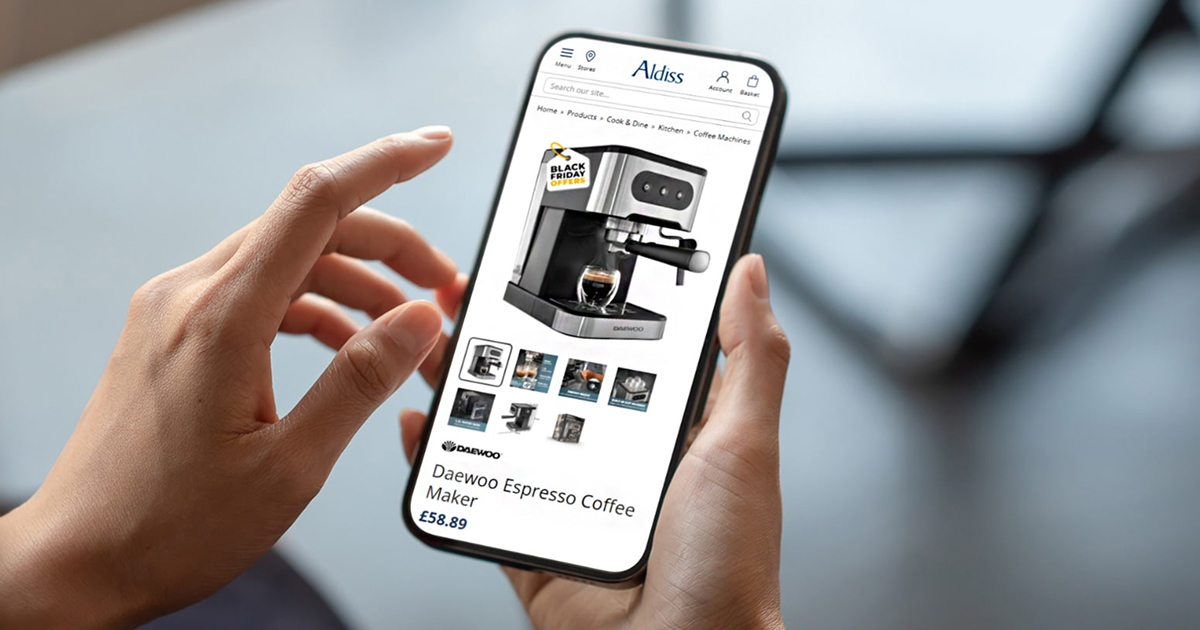
Product page optimisation is one of the most effective ways for ecommerce businesses to increase revenue without increasing traffic. Whilst many retailers focus heavily on attracting visitors through SEO, PPC and social media, the product page is where purchasing decisions are ultimately made. Effective product pages do more than describe products; they build confidence, answer…
Written by
-
What We Look For During a Website Audit
A website audit provides a structured assessment of how effectively a website supports business objectives by reviewing areas such as user experience, website performance, conversion pathways, technical SEO, mobile usability and content effectiveness. Rather than focusing solely on identifying technical issues, a comprehensive audit uncovers opportunities to improve engagement, increase conversions and strengthen overall website…
Written by

-
Conversion Rate Optimisation: Small Changes, Big Gains
Conversion Rate Optimisation (CRO) focuses on improving the percentage of website visitors who take meaningful actions, such as making an enquiry, requesting a quote or completing a purchase. Rather than relying solely on attracting more traffic, CRO identifies and removes barriers within the user journey through targeted improvements to areas such as calls-to-action, landing pages,…
Written by

-
Mobile First: Why Desktop Thinking Is Costing Sales
With mobile devices now accounting for the majority of website traffic across many industries, businesses can no longer afford to evaluate their websites solely from a desktop perspective. Poor mobile experiences, including difficult navigation, slow loading times, complex forms and unclear layouts, can create friction that reduces engagement and conversion rates. By adopting a mobile-first…
Written by

-
How Heatmaps Can Improve Conversion Rates
Heatmaps provide valuable insight into how visitors actually interact with a website, helping businesses move beyond assumptions and make evidence-based decisions. By revealing where users click, scroll, engage or abandon pages, heatmap analysis can uncover hidden conversion barriers, improve user experience and highlight opportunities for landing page optimisation. When combined with website analytics and UX…
Written by

-
Why Visitors Leave Your Website Within 10 Seconds
Visitors often leave a website within seconds when it fails to quickly communicate relevance, trust and value. Factors such as slow page speeds, confusing navigation, poor user experience and unclear messaging can create friction that discourages further engagement. By improving website usability, strengthening key messages, optimising performance and guiding users through a clearer journey, businesses…
Written by
-
What Makes a High-Converting Website in 2026?
A high-converting website in 2026 is defined by its ability to turn visitors into enquiries or customers through strong user experience, clear messaging and reliable performance. Rather than focusing solely on visual design, successful websites guide users through intuitive journeys, remove friction, build trust and make it easy to take action. By continually reviewing website…
Written by

-
How to Identify Drop-Off Points in Your Sales Funnel
Identifying drop-off points within a sales funnel helps businesses understand where potential customers are leaving before completing an enquiry or purchase. By analysing website analytics, reviewing user journeys and using tools such as heatmaps and session recordings, businesses can uncover areas of friction that may be affecting conversion performance. Addressing issues such as unclear navigation,…
Written by