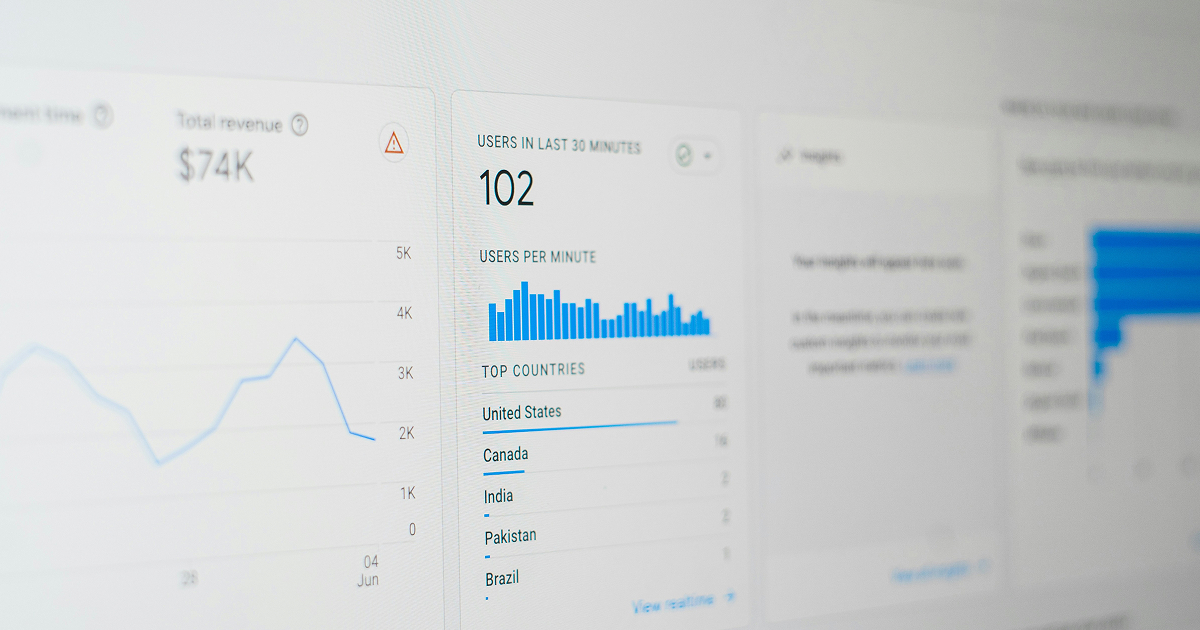
Many businesses assume they have a traffic problem.
The reality is often very different.
We regularly speak with organisations generating website visitors, enquiries and engagement, yet still falling short of their growth objectives.
The challenge isn’t always attracting people to the website.
It’s understanding where they’re leaving.
Every website has drop-off points.
The question is whether you know where yours are.
Understanding the Sales Funnel
Whether you’re operating an ecommerce website, generating enquiries through a business website or managing ecommerce stores, every customer follows a journey.
They arrive on the website.
They explore content.
They evaluate products or services.
They decide whether to take action.
At each stage of that journey, some visitors continue and some leave.
Sales funnel optimisation is the process of identifying where those exits occur and understanding why.
Because if customers are dropping out before they convert, increasing traffic alone may not solve the problem.
Start With Website Analytics
The first step is understanding what the data is telling you.
Website analytics can reveal valuable insights into:
- High-exit pages
- Bounce rates
- User flow patterns
- Conversion pathways
- Device behaviour
- Traffic source performance
This information often highlights areas where users are encountering friction or losing interest.
The objective isn’t simply to collect data.
It’s to identify opportunities for improvement.
Review the Website User Journey
Businesses often understand their products and services extremely well.
Customers don’t.
This is why reviewing the website user journey is so important.
Ask yourself:
- Is navigation clear?
- Can users find information quickly?
- Are calls-to-action obvious?
- Does each page have a clear purpose?
- Are visitors guided towards the next step?
A confusing journey can quietly reduce website conversion rates without businesses realising it.
Look Beyond Traffic Numbers
One of the biggest mistakes businesses make is focusing exclusively on visitor numbers.
Traffic can be useful, but it doesn’t always reveal what users are doing.
This is where user behaviour analysis becomes valuable.
Tools such as heatmaps, session recordings and click tracking can help reveal:
- Where users engage
- Where they hesitate
- Where they abandon pages
- What content they ignore
Often, these insights provide a clearer understanding of drop-off points than traffic data alone.
Common Funnel Weaknesses
Whilst every business is different, there are some recurring issues we encounter during audits.
These often include:
- Weak calls-to-action
- Poor mobile experiences
- Slow website performance
- Confusing navigation
- Unclear messaging
- Lengthy forms
- Checkout friction
Even relatively small issues can affect website engagement and reduce overall conversion performance.
The Role of Conversion Audits
Many businesses struggle to identify funnel issues internally because they are too familiar with the website.
A professional conversion audit provides an external perspective.
Rather than focusing solely on design, a conversion audit examines how effectively the website supports lead generation, ecommerce conversion and customer progression.
The objective is to uncover barriers that may be preventing visitors from taking action.
Improving Conversion Without Increasing Traffic
One of the most effective ways to improve results is often to improve the performance of existing traffic.
This is where conversion rate optimisation can have a significant impact.
By improving the customer journey, reducing friction and strengthening key pages, businesses can often generate more enquiries or sales without increasing marketing spend.
For many organisations, this represents a faster route to growth than investing in additional traffic acquisition.
Finding the Opportunities You’re Missing
At Studioworx, we see drop-off points as opportunities.
Every visitor who leaves the website represents a potential insight into how the customer journey could be improved.
Through website analytics, user behaviour analysis and structured auditing, businesses can gain a clearer understanding of where prospects are disengaging and why.
Because the goal isn’t simply to attract visitors.
It’s to help more of them become customers.
And that often starts with understanding where they’re leaving.