Category: Best Practice Guides
-
The Difference Between Ranking and Revenue
Higher search rankings and increased website traffic can be valuable indicators of SEO progress, but they do not automatically translate into business growth. The true measure of SEO success lies in its ability to generate meaningful outcomes such as enquiries, sales, revenue and customer acquisition. By focusing on search intent, user experience, conversion pathways and…
Written by

-
Optimising Product Pages: Small Changes That Increase Revenue
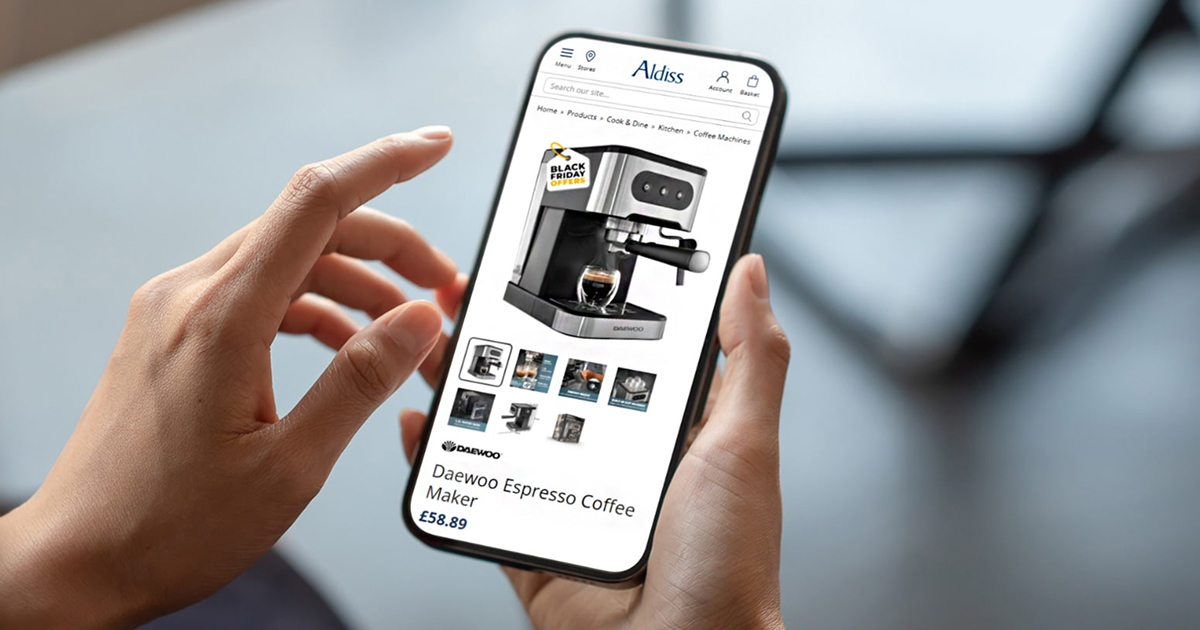
Product page optimisation is one of the most effective ways for ecommerce businesses to increase revenue without increasing traffic. Whilst many retailers focus heavily on attracting visitors through SEO, PPC and social media, the product page is where purchasing decisions are ultimately made. Effective product pages do more than describe products; they build confidence, answer…
Written by
-
Technical SEO Issues That Often Go Unnoticed
Technical SEO issues can quietly limit website performance, even when content and design appear strong. Problems relating to crawlability, indexation, website speed, Core Web Vitals, structured data and site architecture often go unnoticed but can significantly affect search visibility and organic growth. Regular technical SEO audits help identify hidden barriers that may be preventing search…
Written by

-
Preparing for Peak Trading: What Successful Ecommerce Brands Do Before Q4
Successful ecommerce brands don’t wait until Q4 to prepare for peak trading. The strongest performers begin months in advance by reviewing website performance, customer journeys, product visibility and conversion opportunities. Rather than focusing solely on promotions and advertising, they ensure their ecommerce website can handle increased traffic, products are easy to find, checkout processes are…
Written by

-
How Search Intent Impacts SEO Success
Search intent plays a crucial role in modern SEO by helping businesses understand not just what users are searching for, but why they are searching. By creating content that aligns with user expectations at different stages of the customer journey, businesses can attract more relevant traffic, improve engagement and increase the likelihood of enquiries or…
Written by

-
Conversion Rate Optimisation: Small Changes, Big Gains
Conversion Rate Optimisation (CRO) focuses on improving the percentage of website visitors who take meaningful actions, such as making an enquiry, requesting a quote or completing a purchase. Rather than relying solely on attracting more traffic, CRO identifies and removes barriers within the user journey through targeted improvements to areas such as calls-to-action, landing pages,…
Written by

-
How Heatmaps Can Improve Conversion Rates
Heatmaps provide valuable insight into how visitors actually interact with a website, helping businesses move beyond assumptions and make evidence-based decisions. By revealing where users click, scroll, engage or abandon pages, heatmap analysis can uncover hidden conversion barriers, improve user experience and highlight opportunities for landing page optimisation. When combined with website analytics and UX…
Written by

-
The Psychology Behind Effective Website Calls-to-Action
Effective website calls-to-action are about far more than button design; they are rooted in psychology, trust and understanding how users make decisions online. Visitors are more likely to take action when they feel confident, informed and reassured by the surrounding content, user experience and overall credibility of the website. By reducing friction, providing relevant pathways…
Written by

-
7 Ecommerce UX Mistakes That Hurt Revenue
Many ecommerce websites lose potential revenue through avoidable user experience issues that create friction during the buying journey. Common problems such as poor product discovery, weak product pages, complicated checkout processes, confusing navigation, inadequate mobile experiences and a lack of trust signals can all reduce conversion rates and increase abandonment. By designing around customer needs…
Written by

-
What Makes a High-Converting Website in 2026?
A high-converting website in 2026 is defined by its ability to turn visitors into enquiries or customers through strong user experience, clear messaging and reliable performance. Rather than focusing solely on visual design, successful websites guide users through intuitive journeys, remove friction, build trust and make it easy to take action. By continually reviewing website…
Written by